Carp pituitary extract, graded by the gland
High-purity extract for induced spawning in commercial aquaculture. Sourced only from sexually mature carp taken at peak gonadotropin activity, fixed in acetone within ten seconds of harvest, and released only after biological activity is verified.
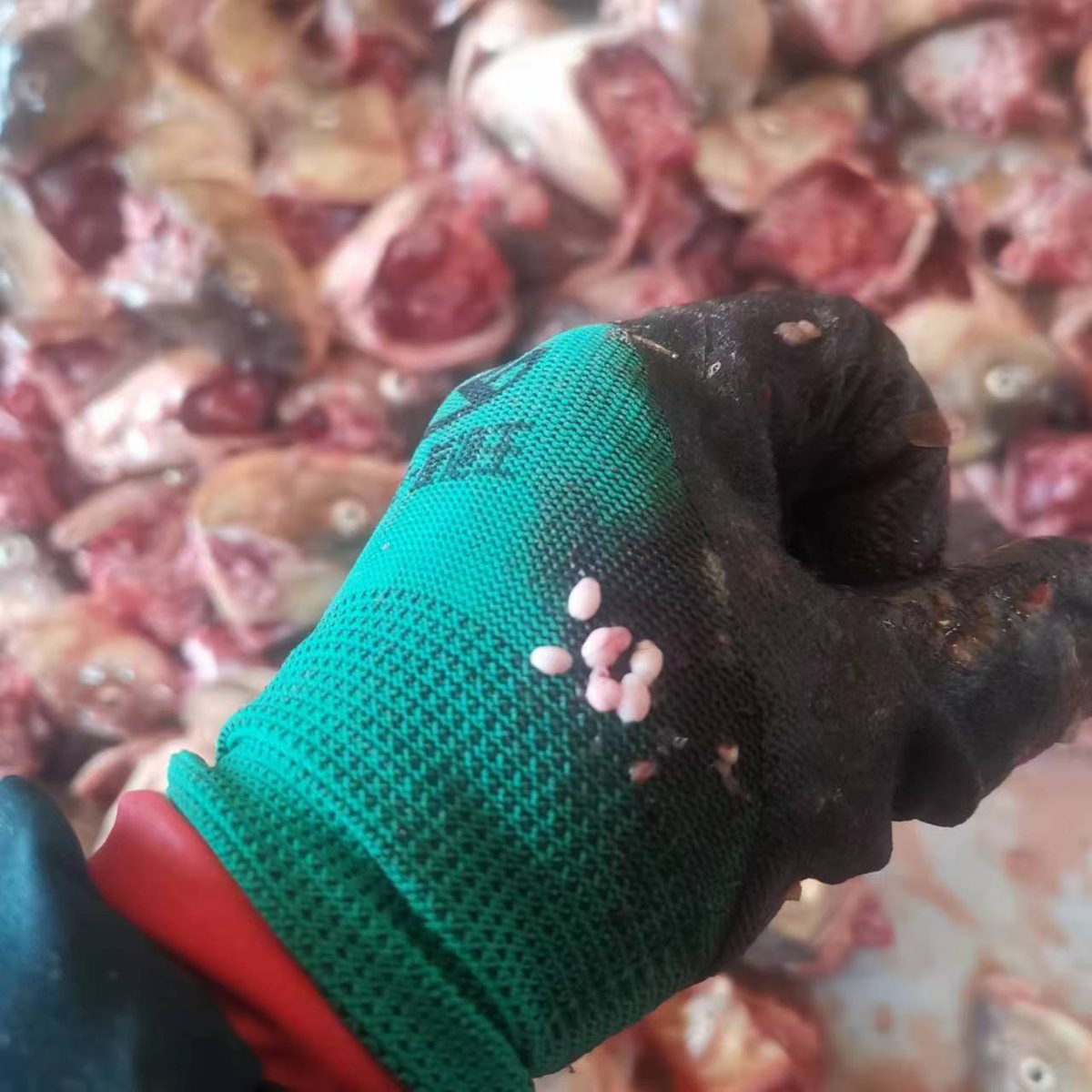
One gland at a time, nothing reconstructed
Every gram of this extract is the dried pituitary tissue of sexually mature common carp, selected at the point in the reproductive cycle when cranial gonadotropin activity is at its highest. Nothing is blended, diluted or reconstituted.
Because raw material is taken exclusively from fish at peak GTH activity, hormonal potency per unit is as high as the species allows. Each batch is handled and inspected at gland level — there is no machine sorting anywhere in the line.
The result is a premium-grade material for hatcheries that cannot afford a failed spawn night.
| Product | Carp pituitary extract — hypophysis sicca |
|---|---|
| Species | Common carp, Cyprinus carpio |
| Source | Sexually mature fish, 2–3 kg, at peak GTH activity |
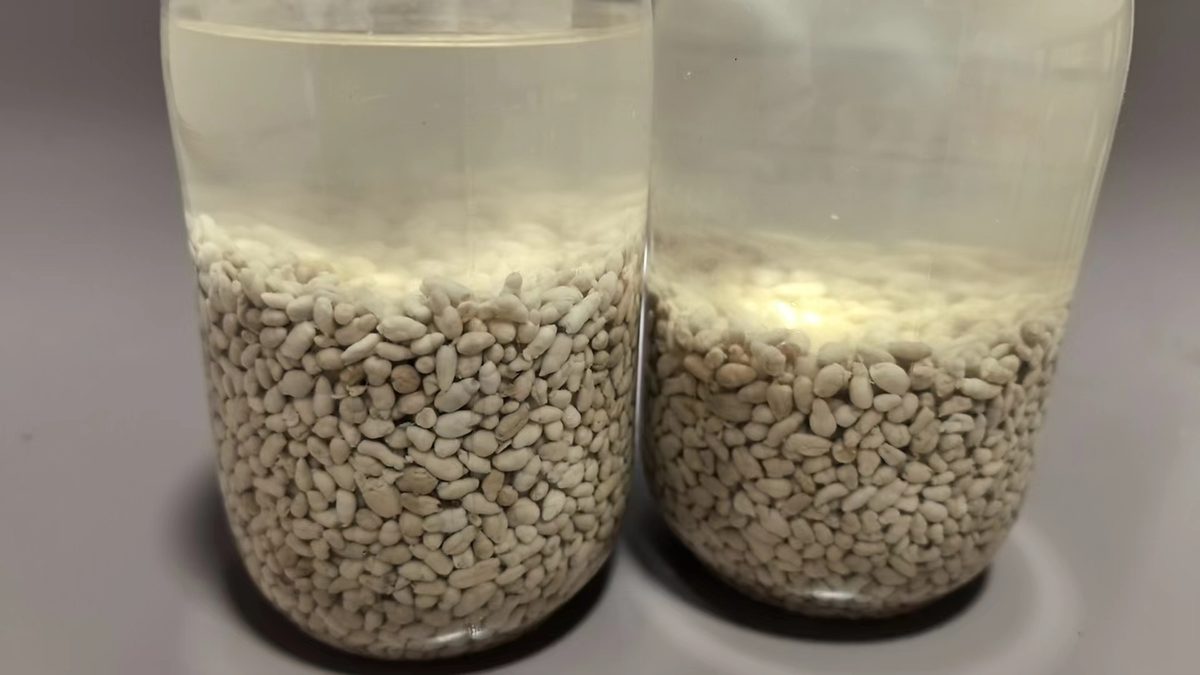
| Form | Acetone-dried granules, pale cream, no excipients |
| Yield | Approx. 2.5 mg per gland; 300–400 glands per gram |
| Potency | Biological activity verified before release |
| Packaging | Sealed 1 g vial, 10 vials per box |
| Shelf life | 24 months, sealed, dry, away from light |
| Documents | Batch COA, MSDS, packing list, commercial invoice |
| Price | On request — quantity and destination |
Sixty to a hundred tonnes of carp for every hundred grams
A single mature carp carries one pituitary gland of about 2.5 mg. The arithmetic that follows is why this material is scarce, and why quantity has to be planned rather than ordered off a shelf.
One gram of finished extract represents 300 to 400 glands — and therefore 300 to 400 fish. A 100 g batch draws on 30,000 to 40,000 fish. Across a season, that is roughly 60 to 100 tonnes of mature carp passing through the line for every 100 g of extract produced.
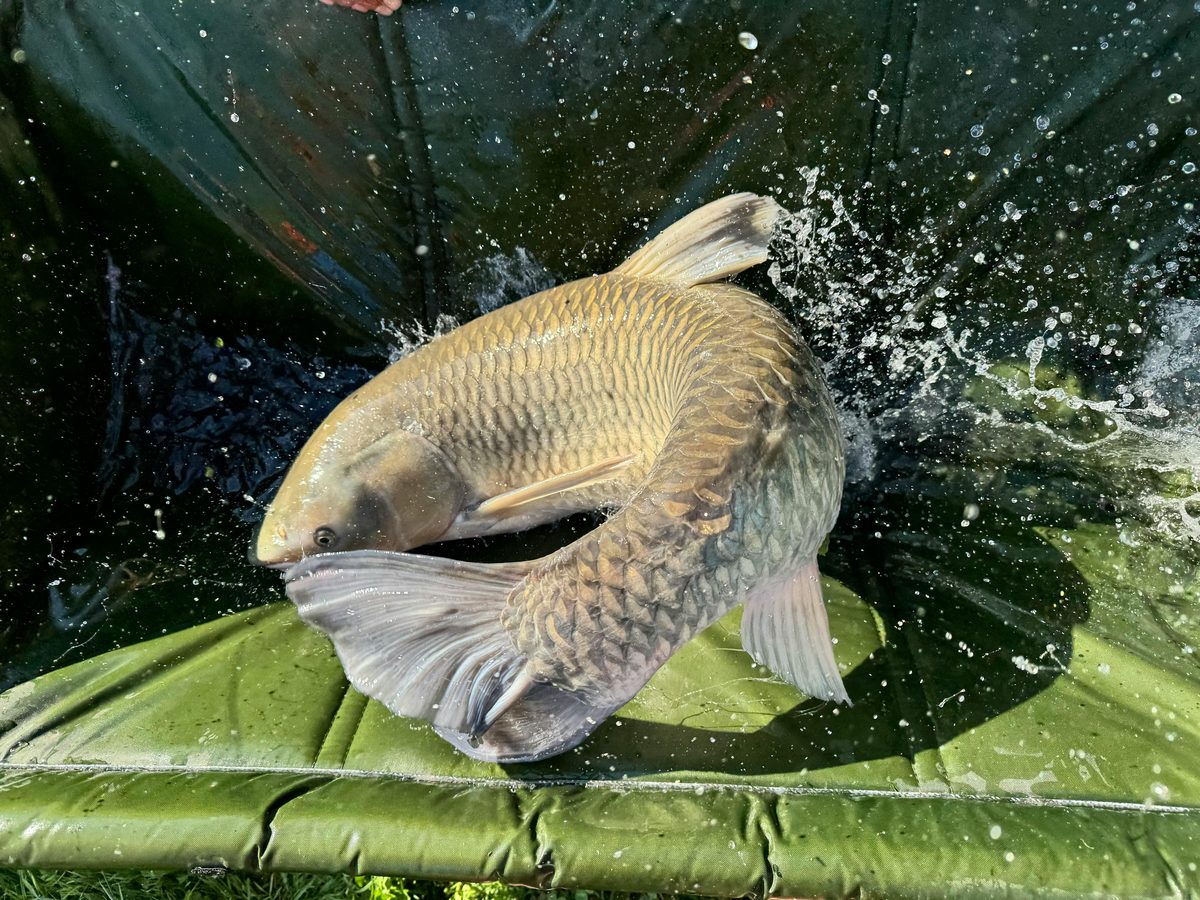
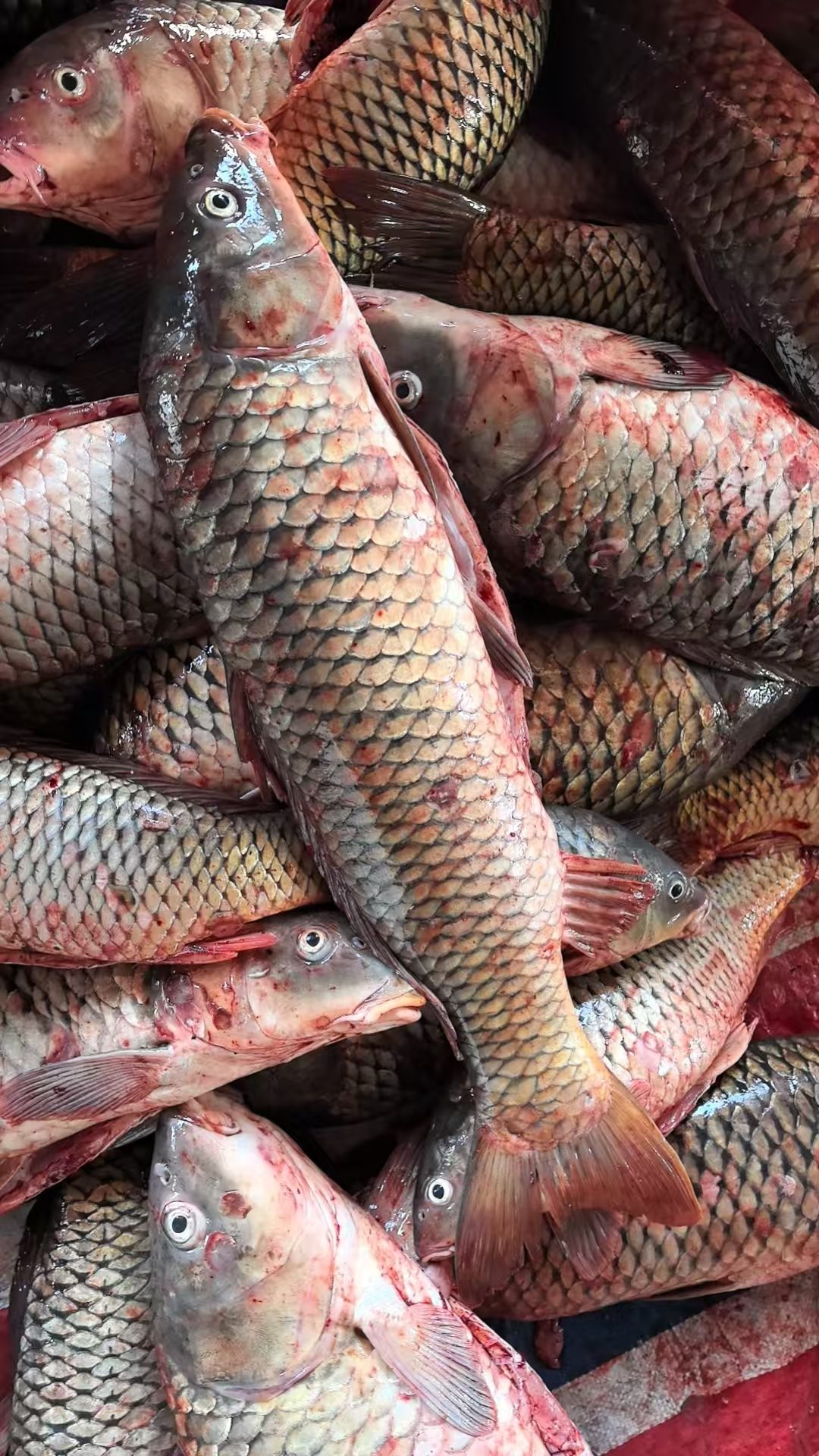
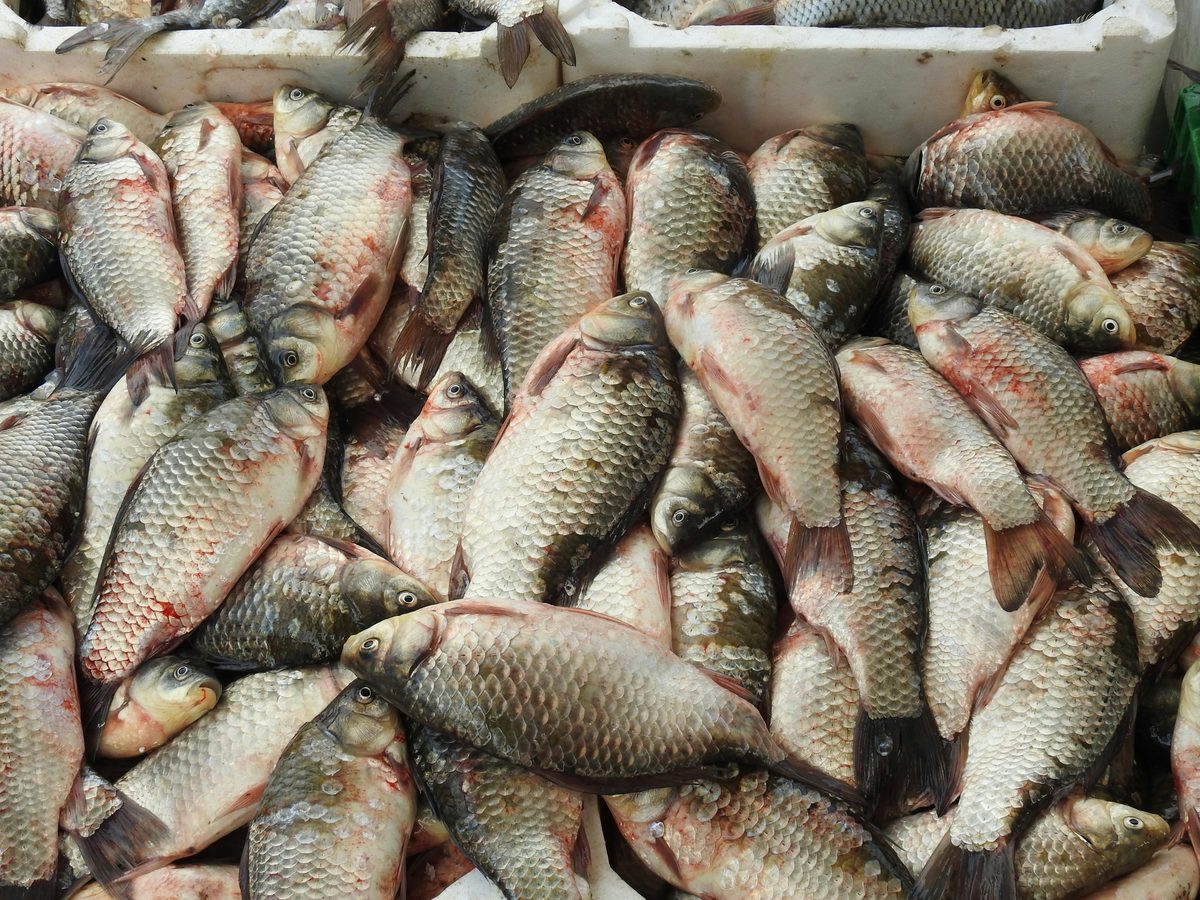
Fish are selected at 2–3 kg, healthy and sexually mature, and taken only at the reproductive stage when cranial gonadotropin activity peaks. Anything below that standard never enters production.
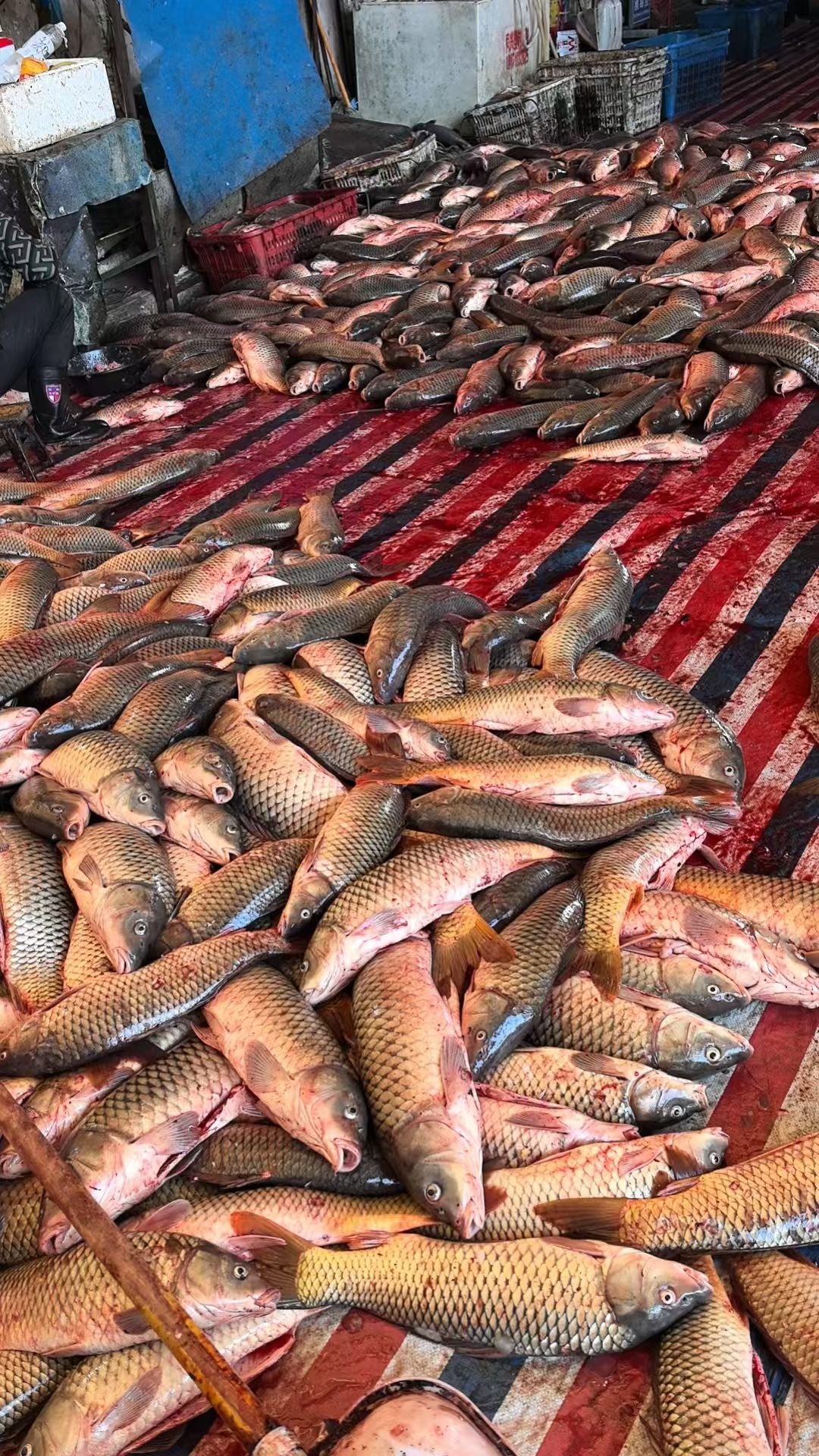
Raw material comes from licensed processing plants where the fish is already destined for the food chain. The gland is a by-product of that flow, which is the only reason the supply economics work at this scale.
That dependency is also the honest limit of the offer: we cannot create fish, and we cannot shortcut the reproductive season.
The gland is not where most people look for it
In the carp the pituitary sits in a shallow fossa at the suture of the anterior ear bones, not embedded in the sphenoid body as in many other teleosts. That single anatomical difference dictates the entire extraction method.
- A shallow fossa at the ear-bone suture The gland rests in a depression at the suture of the anterior ear bones rather than being embedded in the sphenoid.
- The ventral window A longitudinal incision from the mandible, excision of the parasphenoid bone, and careful reflection of the meninges exposes the gland without disturbing surrounding tissue.
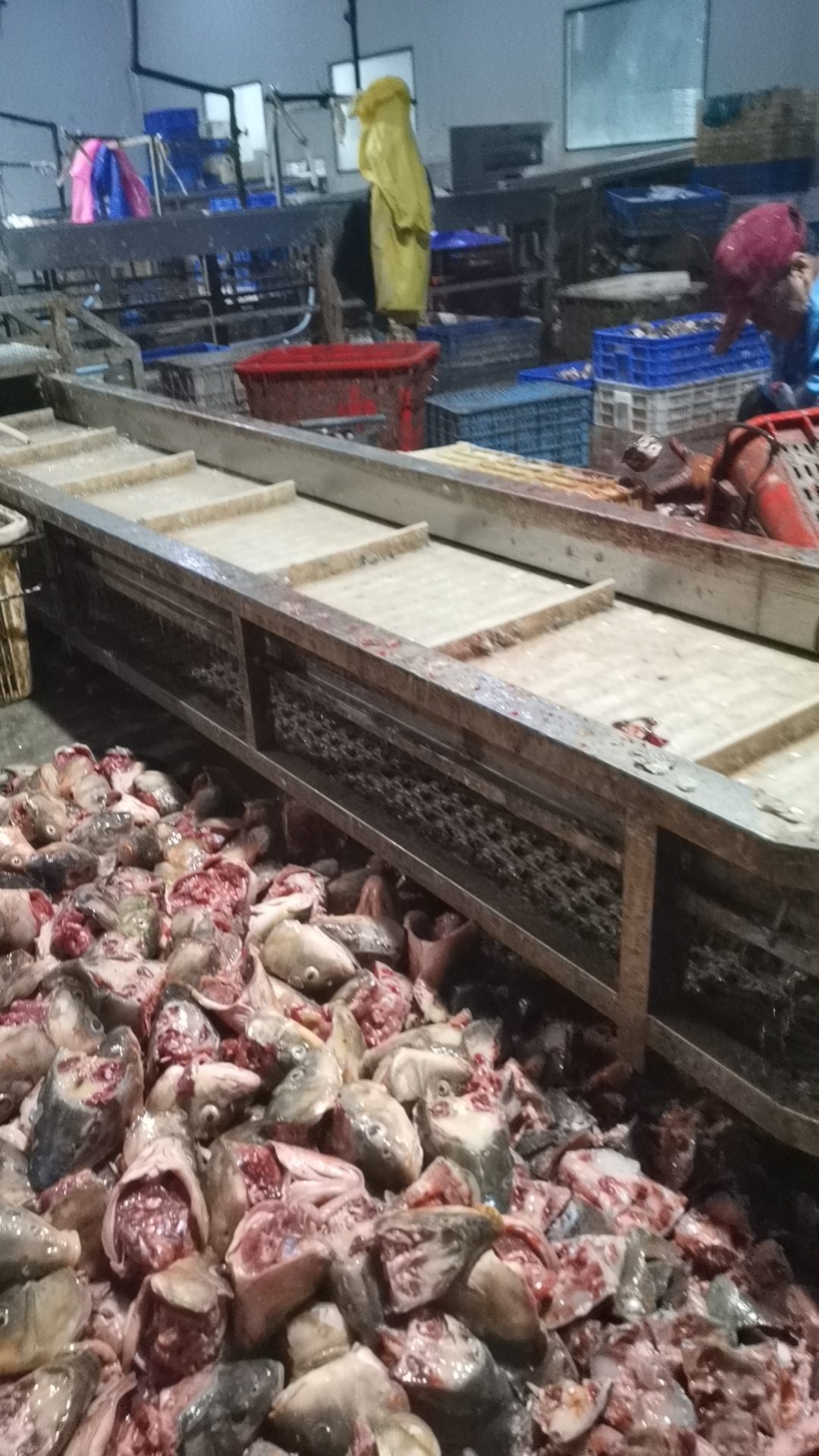
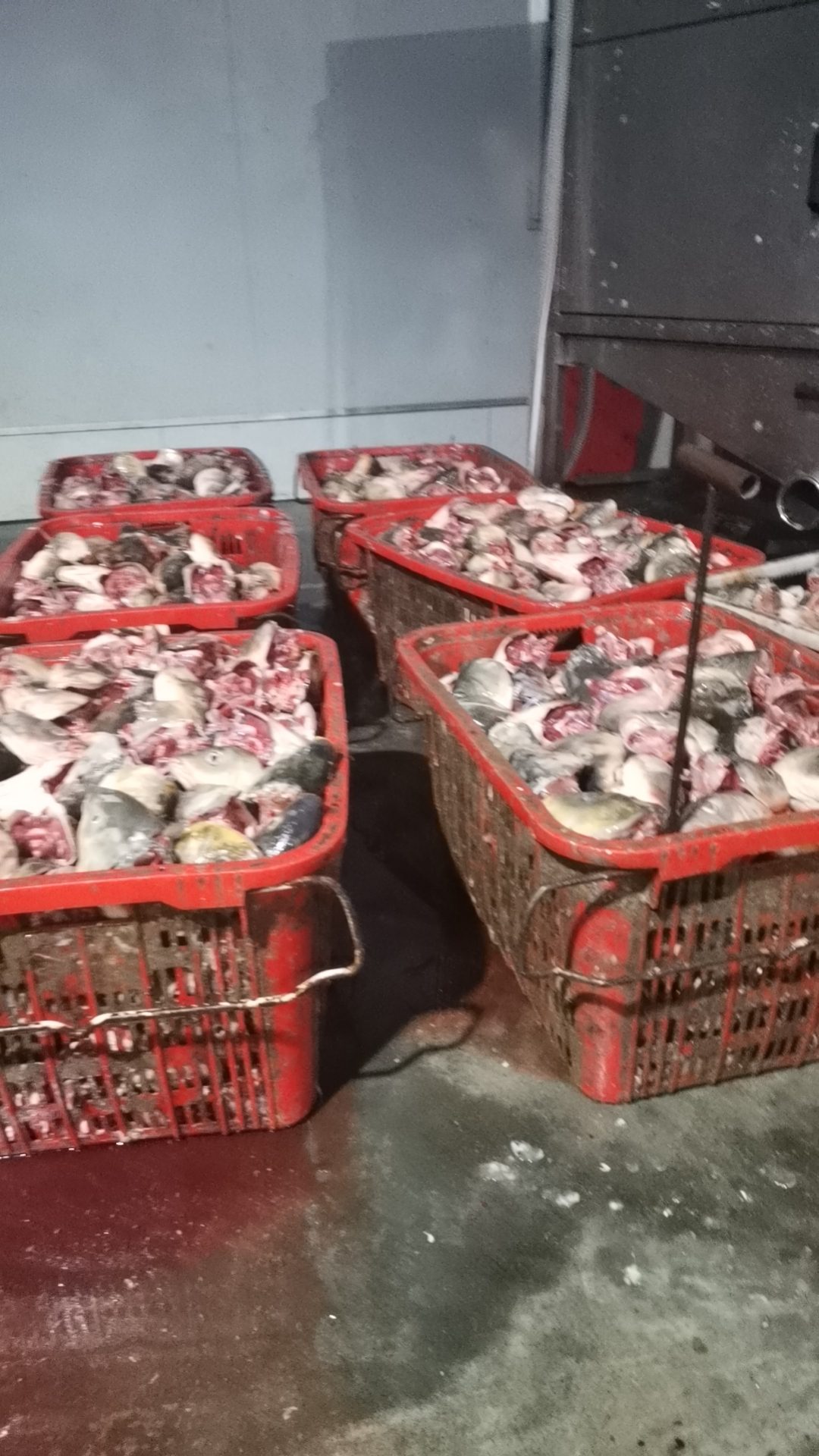
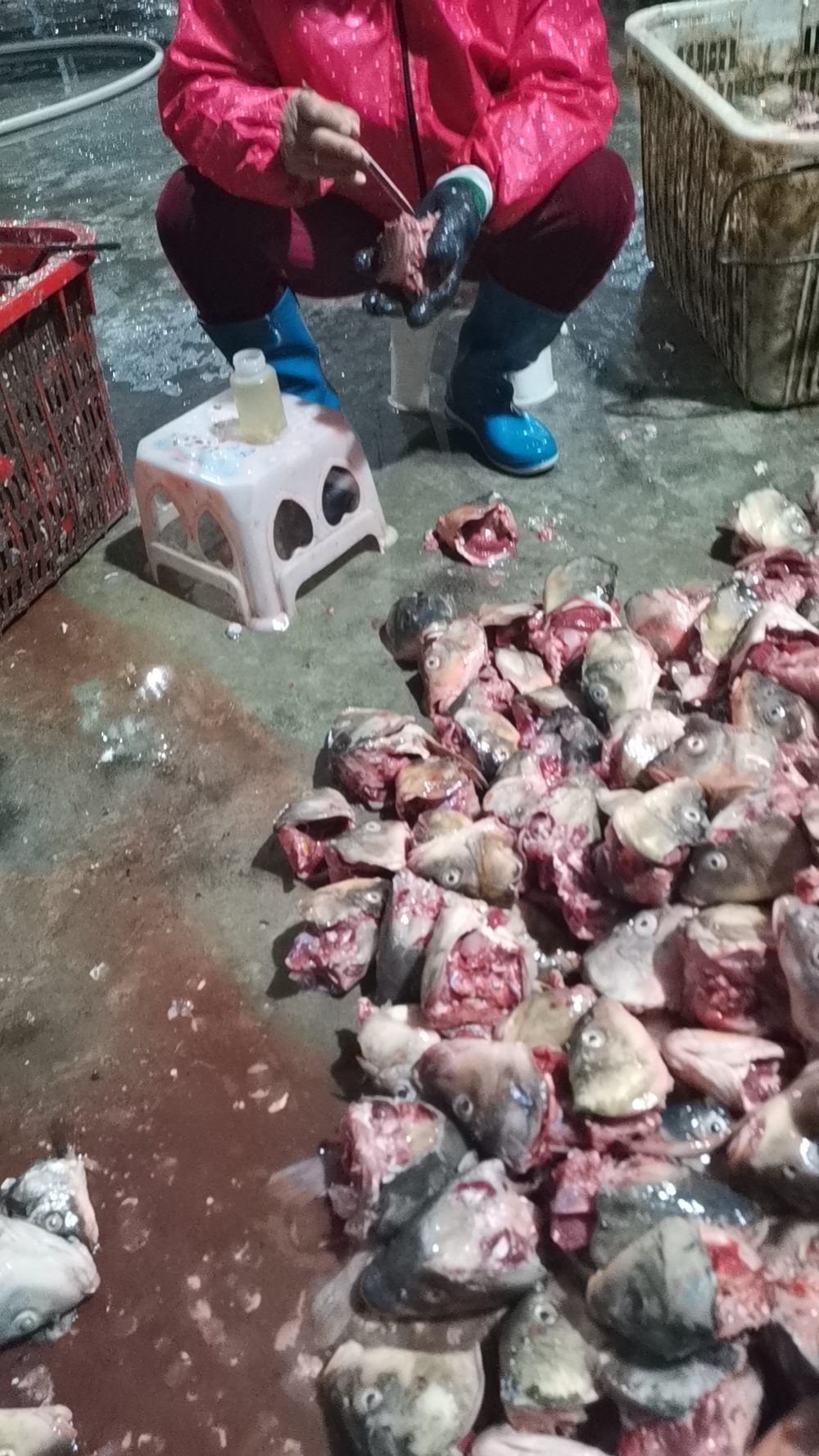
- Why the ventral route matters It preserves the structural integrity of the fish head, so the head still enters the food chain as a by-product. That by-product value is what keeps raw material supply viable.
- 100% manual micro-extraction No mechanical or automated substitute exists for this step. Every gland is lifted out by hand and trimmed before it reaches acetone.
Glands enter acetone within ten seconds of harvest. Dehydration and defatting begin immediately, locking hormonal activity in before protein degradation can start. This is the single step most often done badly elsewhere.
From live carp to a sealed vial
-
Step 01
Selection
2–3 kg healthy, sexually mature carp at peak GTH activity, from licensed processing plants.
-
Step 02
Micro-extraction
Ventral window opened, parasphenoid excised, gland lifted out by hand and trimmed clean.
-
Step 03
Acetone fixation
Immersed within 10 seconds of harvest, dehydrated and defatted to a stable granule.
-
Step 04
Grading & packing
Inspected gland by gland, weighed into sealed 1 g vials, boxed in tens, activity verified before release.
The constraint is hands, not demand
Two facts set the terms of supply. Neither can be engineered around, and both are worth knowing before you plan a season.
A trade without successors
The process depends on a highly skilled manual workforce, and the industry is running short of it. Younger workers are not entering the trade. Our senior technicians bring decades of hands-on experience — experience that cannot be bought, automated or hurried.
Output is allocated, not stocked
Because the work is labour-intensive, annual production capacity is inherently limited. Output is allocated strictly on an order basis: first confirmed, first allocated. Advance confirmation and quantity planning are what secure your allocation and your lead time.
Verified before release
Every batch is individually handled and visually inspected at gland level. No machine sorting, no bulk blending, no substitution from a different season.
Biological activity is verified prior to release, and we stand behind the potency of every shipment. If a batch does not meet the standard, it does not ship — there is no second grade sold under the same label.
Twelve frames, from raw carp to sealed vial
Every frame was shot on the line that supplies this material — no stock photography. Tap any tile to open it full size.
Who you are buying from
A registered Chinese company. One sales contact, no middle layer, no trading desk in between.
- Company
- Shaanxi Naturalive Biotechnology Co., Ltd.
陕西纳特莱夫生物科技有限公司 - Credit code
- 91610131MACTHD1D6R
- Registered
- 30 August 2023
- Address
- Jinye Shidai A3-404, Jinye Road, High-tech Zone, Xi'an, Shaanxi, China
- Contact
- Jeff Liu · +86 186 2909 1156
Send your address, get the total
Fill this in and it opens WhatsApp with everything already written. I reply within 12 hours with the delivered price and the lead time for your quantity.
- Delivered total against your address, not a list price
- Batch COA, MSDS, packing list and invoice with every order
- Allocation confirmed on a first-come basis — plan ahead in season